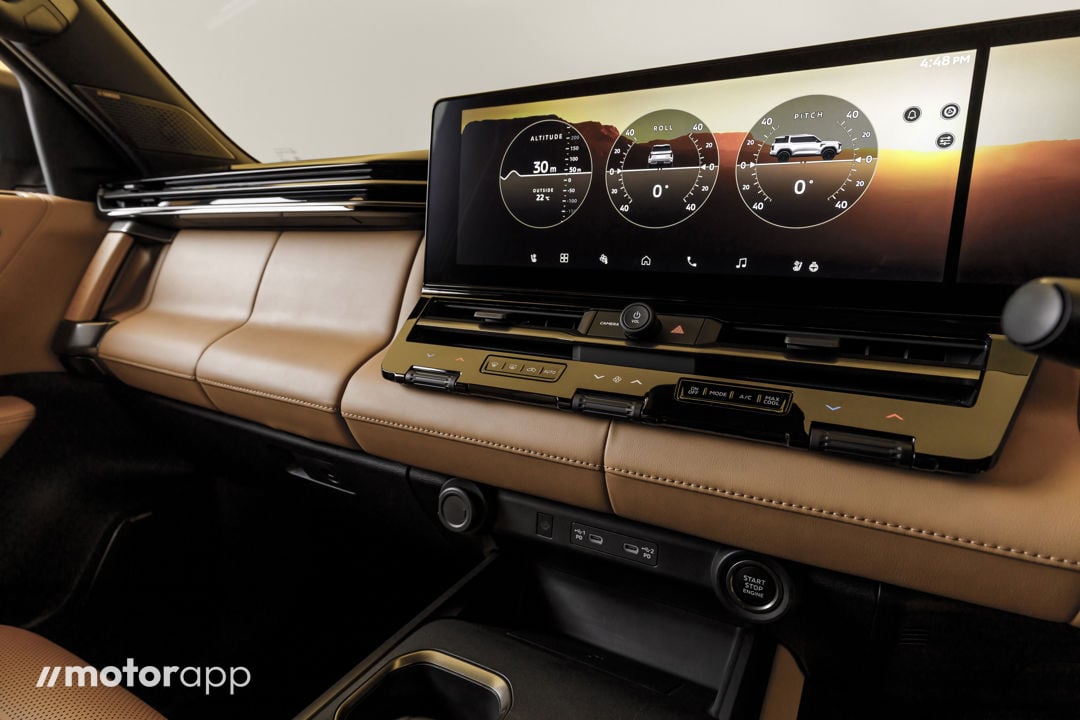
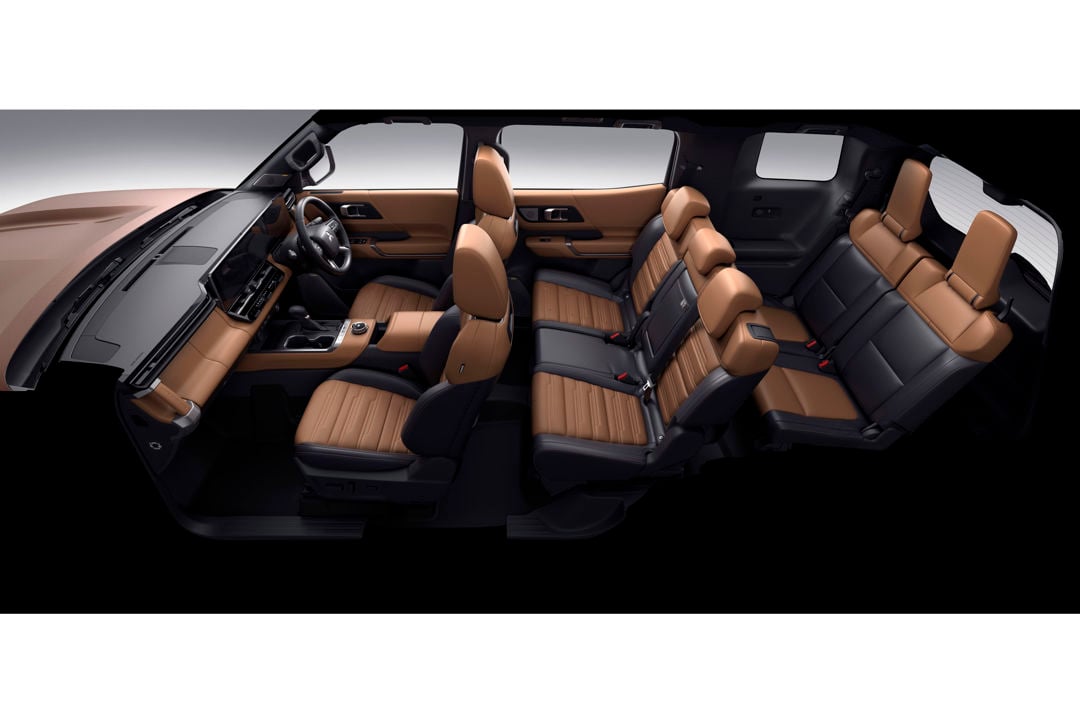
Mitsubishi has revived one of its most iconic nameplates, unveiling an all-new Pajero that will become the brand's new flagship SUV.
After disappearing from Mitsubishi's line-up following the end of fourth-generation production, the Pajero returns with a distinctly modern interpretation of its traditional formula - combining genuine off-road capability with greater comfort, technology and refinement.
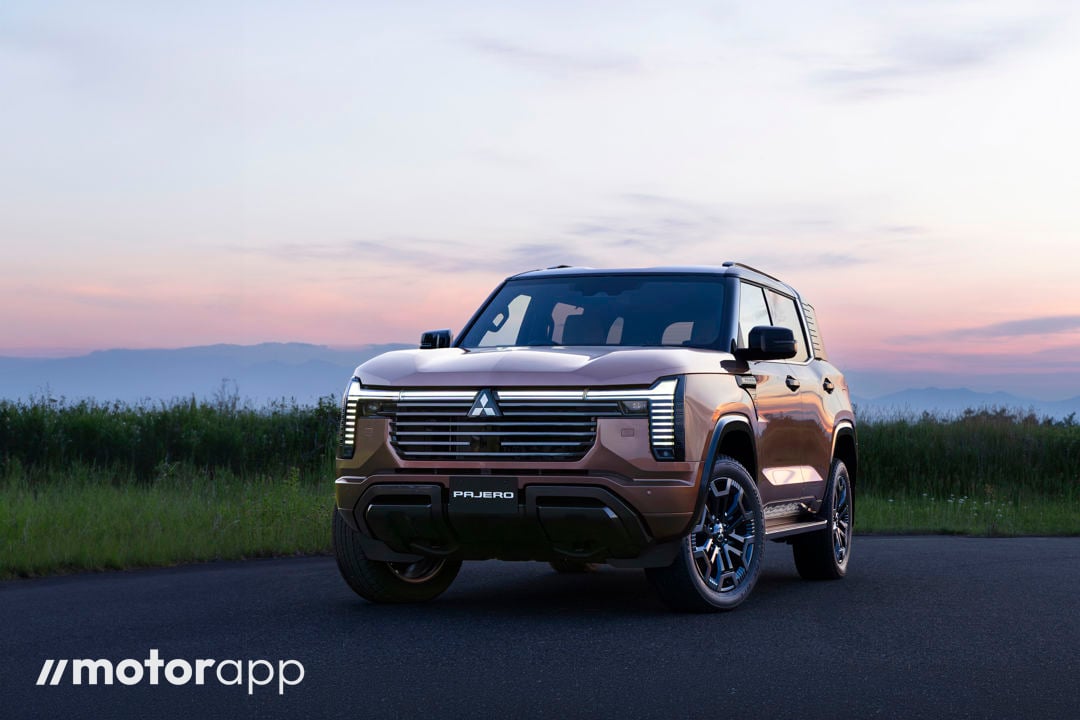
The new Pajero is built around a ladder-frame chassis and retains Mitsubishi's Super Select 4WD-II system, with selectable high- and low-range gearing. Super-All Wheel Control (S-AWC) and seven drive modes are also fitted, while 230mm of ground clearance and substantial approach and departure angles underline its off-road credentials.
Power comes from a 2.4-litre turbo-diesel producing up to 480Nm, paired with an eight-speed automatic transmission.
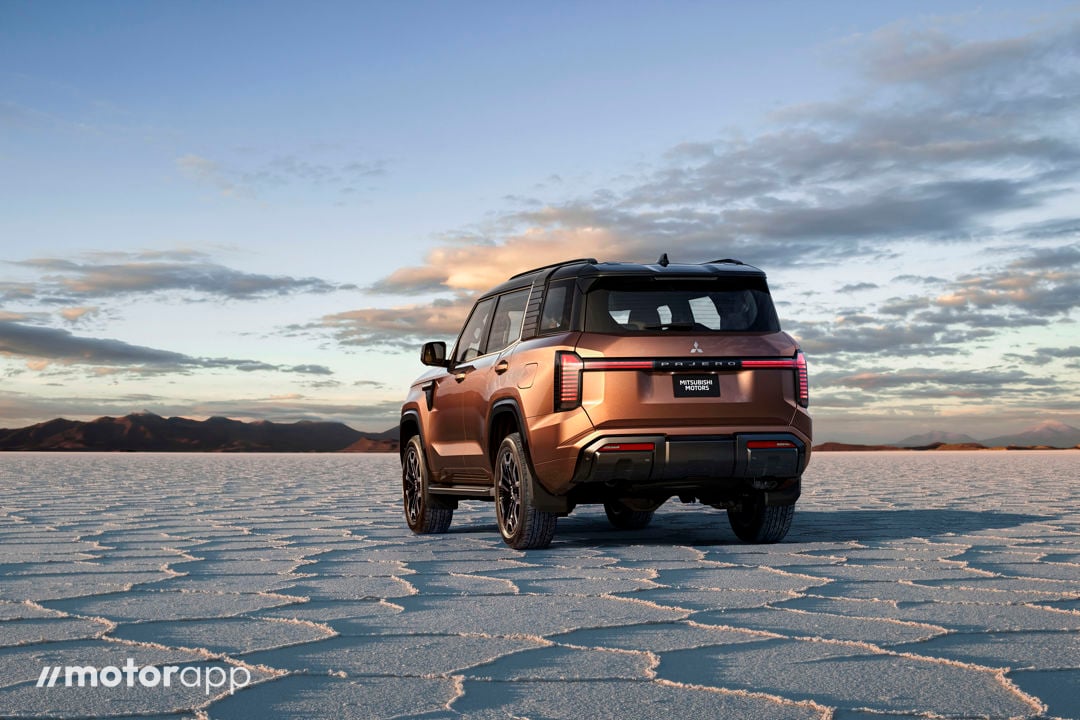
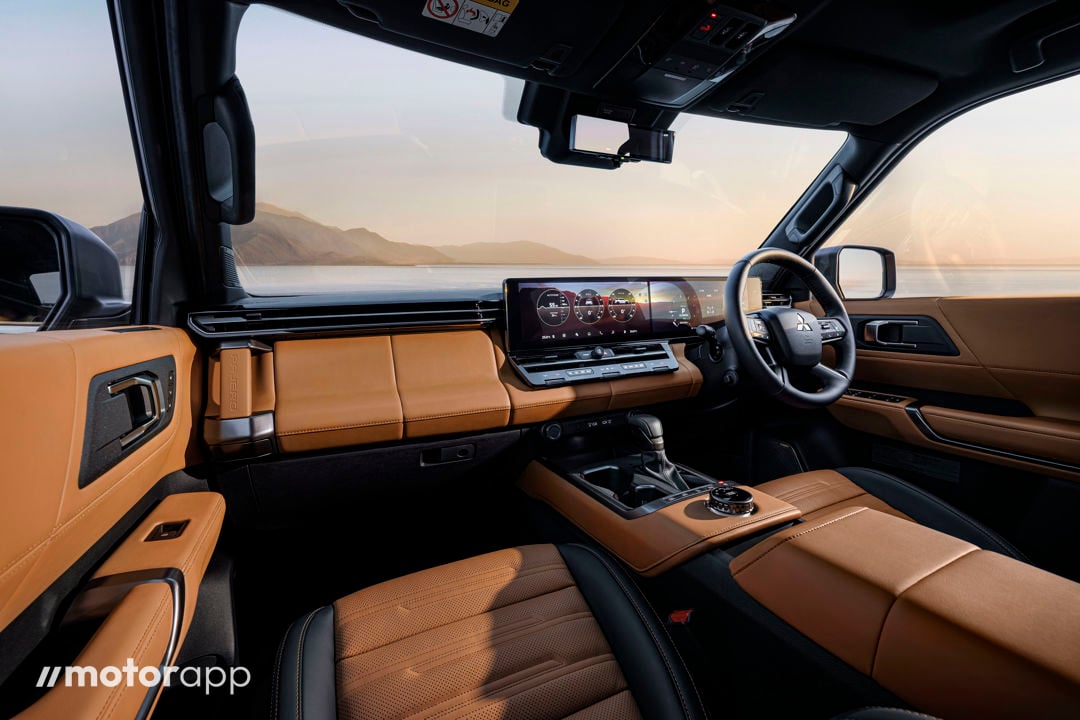
Mitsubishi has nevertheless designed the new Pajero to be considerably more comfortable and sophisticated than its predecessors. The three-row, seven-seat SUV features a premium interior, three-zone climate control, ventilated seats and extensive noise insulation, while digital displays and a range of advanced driver-assistance systems bring it firmly into the modern era.
The design also pays tribute to the Pajero's history without simply reproducing the styling of previous generations. Its upright stance, squared-off proportions and distinctive rear treatment give it the rugged presence expected of a Pajero, while details such as the C-pillar reference the roll bar of the original 1982 model.
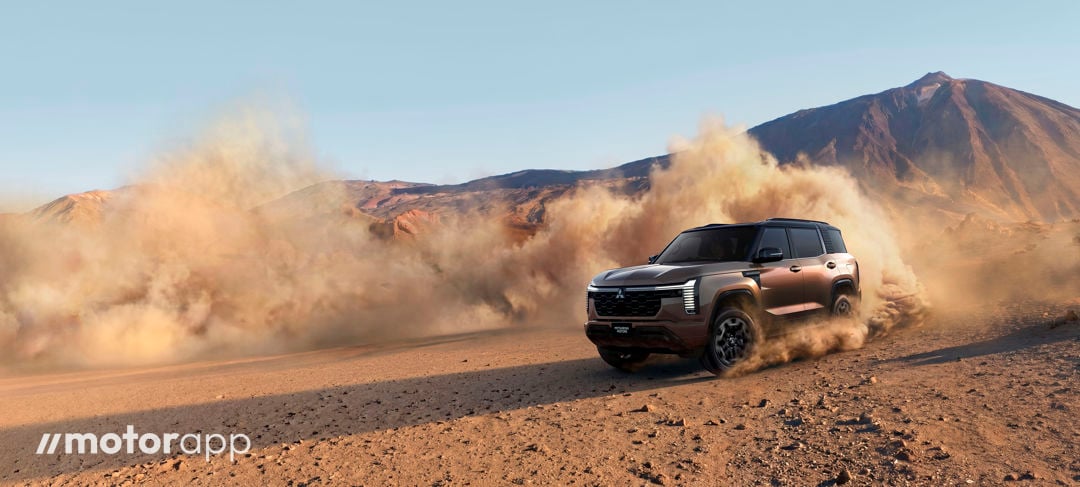
Perhaps most interestingly, Mitsubishi has resisted turning the Pajero into another large, road-biased SUV. The company says its new flagship has been engineered to maintain the off-road ability that made the nameplate famous, while delivering the refinement expected from a modern premium SUV.
The new Pajero measures 4,920mm long and has a 2,870mm wheelbase, providing room for seven occupants while retaining useful off-road proportions.
The model will be built in Thailand, with Australia scheduled to receive the new Pajero during Mitsubishi's 2026 financial year, following its initial launch in Thailand and Japan.
For Australia, where large diesel four-wheel-drive SUVs remain hugely popular, the Pajero's return could be particularly significant.
Rather than simply bringing back a famous name, Mitsubishi appears to have taken the more difficult route - preserving the Pajero's off-road identity while giving it the technology, comfort and premium positioning expected of a modern flagship.
After years away, the Pajero is back. And this time, Mitsubishi is aiming considerably higher.