Mitsubishi is about to enter Australia's increasingly crowded electric SUV market with a vehicle that is both new and, in some ways, very familiar.
The ASX VR-e will arrive in Australia in the fourth quarter of 2026 as Mitsubishi's first mainstream battery-electric vehicle since the i-MiEV, but rather than being developed entirely in-house, it is the product of an increasingly important partnership with Taiwanese EV specialist Foxtron.
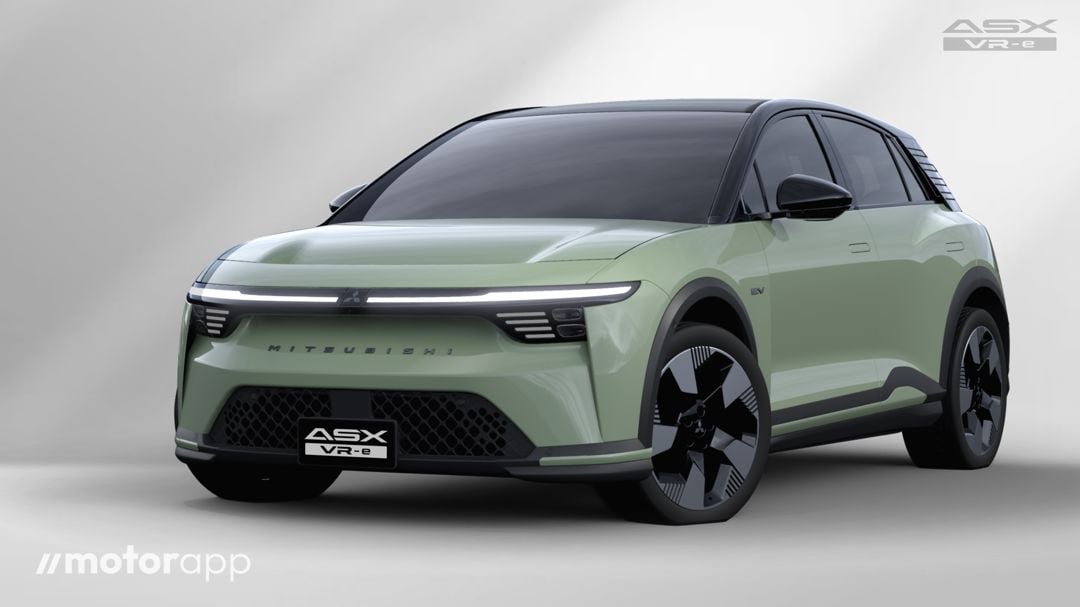
Mitsubishi and Foxtron announced their collaboration in 2025, with Foxtron responsible for developing the vehicle and Taiwanese manufacturer Yulon Motor handling production. The partnership was specifically established to deliver an EV for Australia and New Zealand, making the ASX VR-e something of a test case for Mitsubishi's willingness to use an external EV platform to accelerate its electrification program.
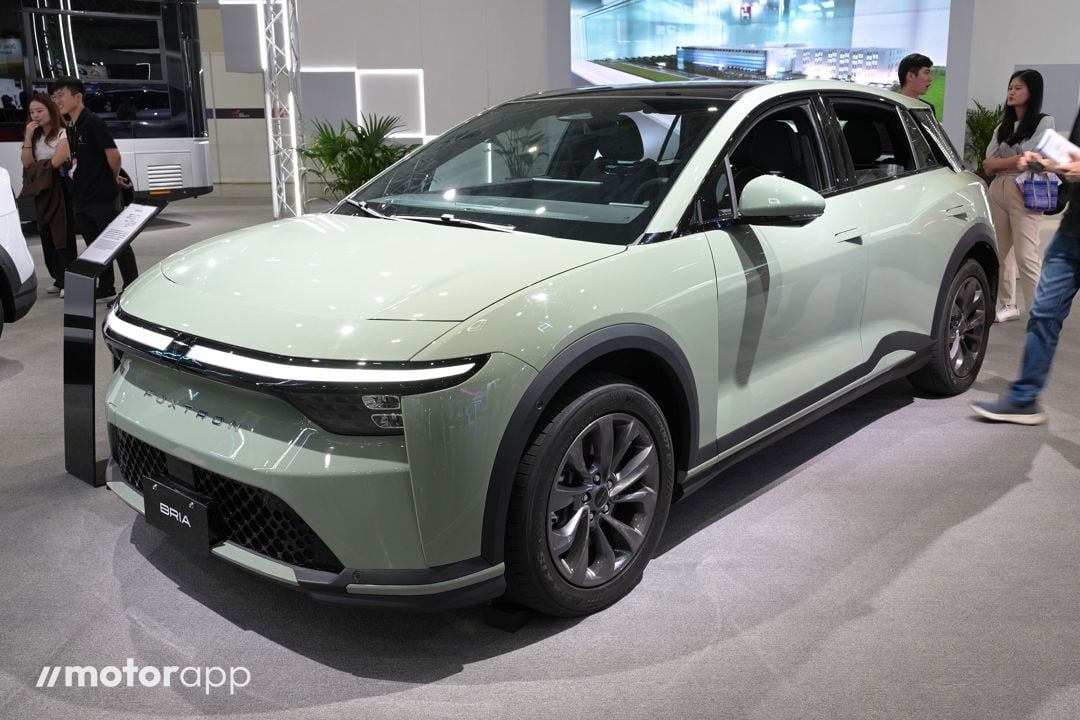
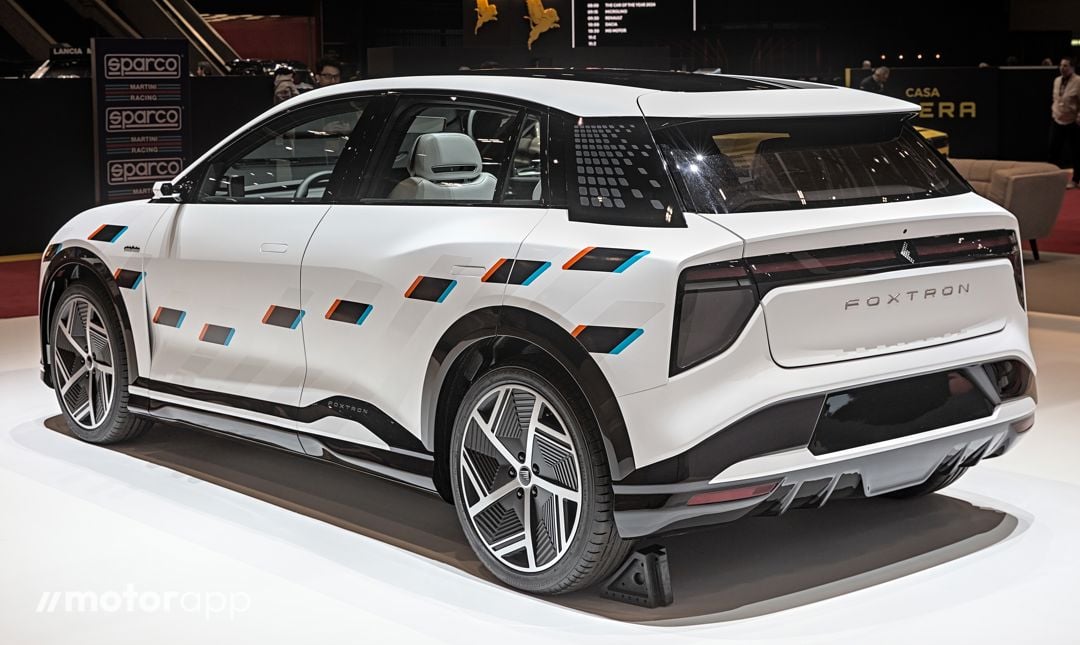
While Mitsubishi has not yet publicly identified the underlying platform by name, the ASX VR-e is closely related to Foxtron's Bria, formerly shown as the Model B. The Bria is a compact crossover developed using Foxtron's modular EV architecture and styled with input from Italian design house Pininfarina. Its dimensions, aerodynamic features and overall packaging closely mirror what is known about the Mitsubishi.
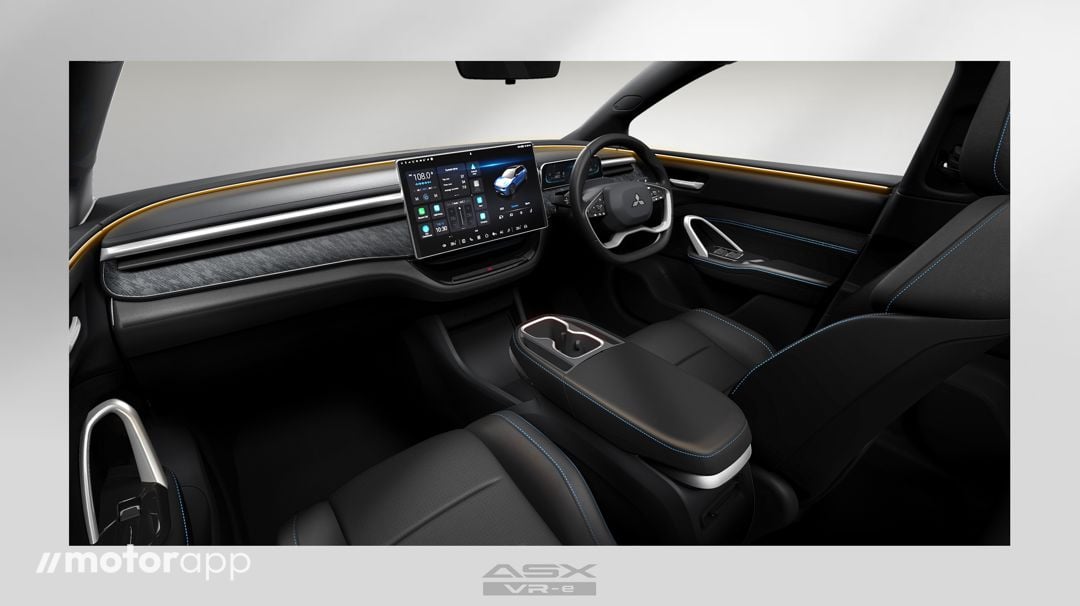
The Foxtron connection is significant because the company is taking a very different approach to vehicle development from traditional manufacturers. Its MIH-based EV architecture is designed as a modular platform that can accommodate different body styles and drivetrain configurations, with the battery housed beneath the passenger compartment and front-, rear- and all-wheel-drive layouts possible. Foxtron's broader strategy is effectively to provide the underlying technology and engineering for other automotive brands rather than requiring every manufacturer to develop its own EV architecture from scratch.
The Bria gives an indication of what sits beneath the Mitsubishi's skin. In Taiwan, it is available with a 57.7kWh LFP battery and a 171kW rear-mounted electric motor, while the flagship version adds a second motor and produces almost 300kW. The rear-drive version claims 516km of NEDC range and a 6.8-second 0-100km/h time, while the all-wheel-drive version can reach 100km/h in 3.9 seconds.
Exactly how much of that specification carries across to the Australian ASX VR-e remains to be confirmed. Mitsubishi has announced four grades - LS, Aspire, Exceed and GSR - but has yet to release local power, battery, range or pricing details.
Mitsubishi claims that the vehicle won't simply be a Foxtron with Mitsubishi badges. Local and regional engineering teams have been involved in testing and tuning the ASX VR-e, with ride and handling development specifically aimed at Australian conditions. That could prove to be one of its most important points of difference in a market where Chinese EV manufacturers increasingly dominate on equipment and specification. In terms of styling however, you would be hard-pressed telling the difference between the ASX and the Bria. Not that it's a bad thing, as the Bria is pleasing to look at, at least to our eyes.
The choice of the ASX name is interesting, too. Mitsubishi is effectively taking a familiar badge and using it to introduce a very different type of vehicle. The VR-e suffix references the legendary Galant VR-4, suggesting Mitsubishi wants the electric ASX to have a more dynamic character than its conventional compact SUV counterpart.
That could be an important distinction. The Australian EV market is already packed with small SUVs that compete heavily on price, range and equipment. Mitsubishi will have to offer something beyond the badge to stand out.
If the company can combine Foxtron's relatively mature EV hardware with genuinely effective local chassis tuning, the ASX VR-e could be one of the more interesting new entrants in the segment - not because Mitsubishi has reinvented the electric SUV, but because it has taken a pragmatic shortcut and concentrated its own engineering effort where Australian buyers are likely to notice it most.
Pricing and full specifications are expected to be revealed closer to the ASX VR-e's Australian launch in the fourth quarter of 2026.