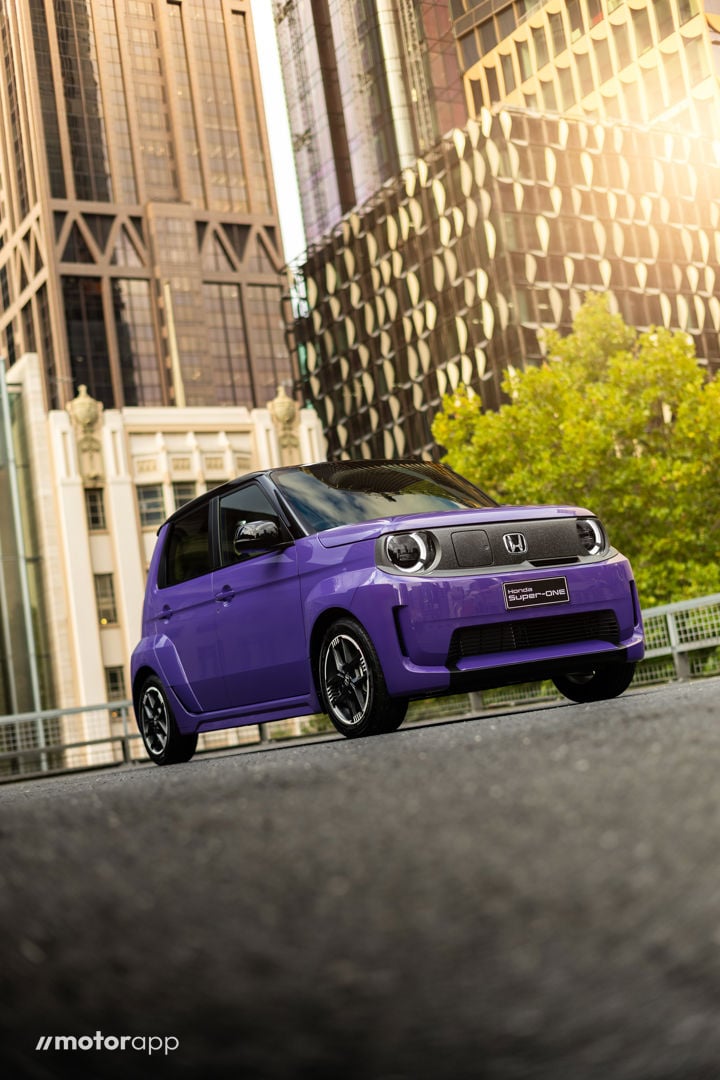
Honda has confirmed pricing for its first Australian battery-electric vehicle, the Super-ONE, with the quirky city-focused hatch set to arrive from October priced from $36,900 drive-away. We say first Australian BEV, as Honda didn't deem us worthy of their first attempt - the arguably even cuter-looking Honda e. It too was a retro-inspired hatch with a specification and pricing mismatch relative to it's competitors. It is possible to aquire an e as a gray-market import, but they are a rare sight on our roads.
Based on Japan's N-One e: kei car, the Super-ONE takes a very different approach to the growing affordable EV market. Rather than chasing outright performance or maximum range, Honda is leaning heavily into personality, lightweight engineering and driving enjoyment.
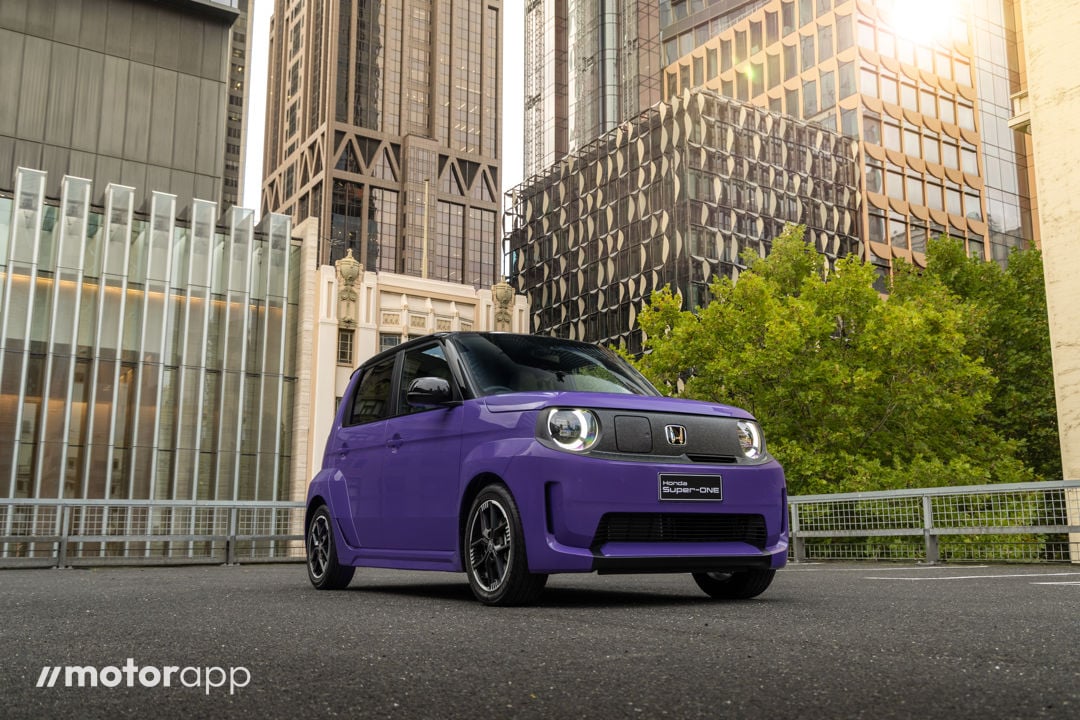
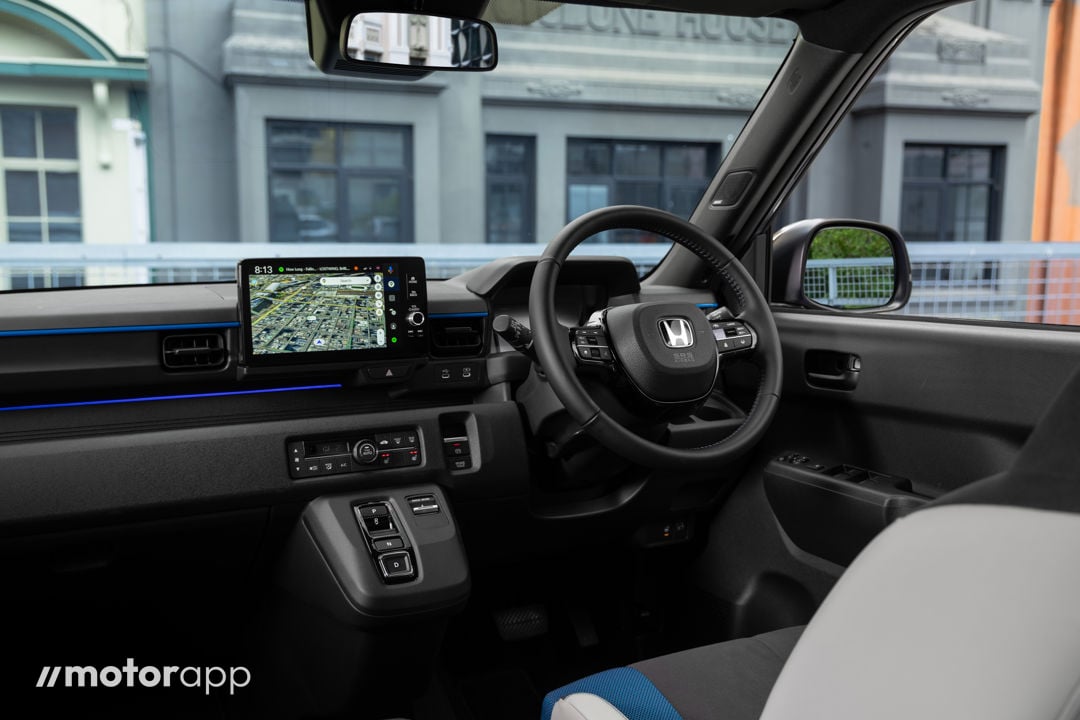
At just 3.5 metres long and weighing only 1,093kg, the retro-inspired hatch stands apart from increasingly large and powerful electric SUVs. Its boxy styling pays homage to the iconic Honda City Turbo II, while a dedicated BOOST mode temporarily lifts output from 47kW to 70kW and adds simulated gearshifts and synthetic engine sounds in an effort to recreate some of the engagement enthusiasts associate with petrol-powered cars.
Its 29.6kWh battery delivers a claimed driving range of up to 253km, making it firmly an urban commuter rather than a long-distance tourer. Fast charging from 15 to 80 per cent takes around 30 minutes.
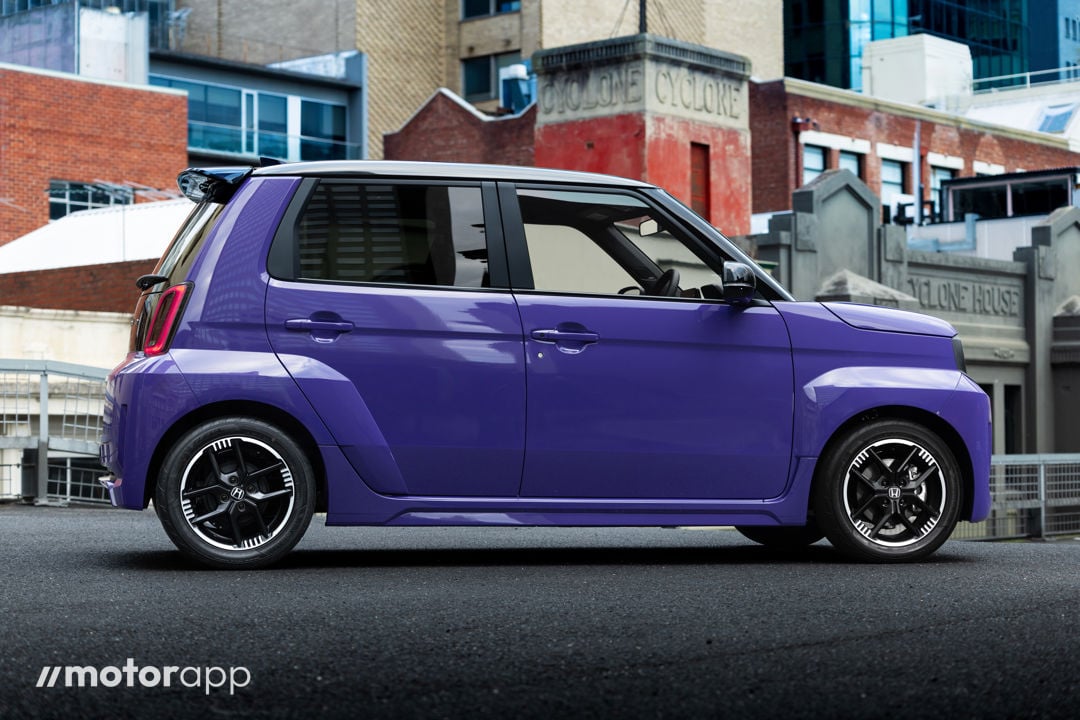
The biggest question facing the Super-ONE isn't whether it's charming - it almost certainly is - but whether Australian buyers will accept its modest specifications in an increasingly competitive EV market.
For similar money, buyers can choose from significantly larger Chinese-built alternatives including the BYD Dolphin Premium ($39,990 before on-road costs), MG4 Excite 64 ($39,990 drive-away) and GWM Ora Extended Range (around $39,990 drive-away). Those models offer substantially more power, driving ranges exceeding 400km and the practicality of larger five-door hatchbacks.
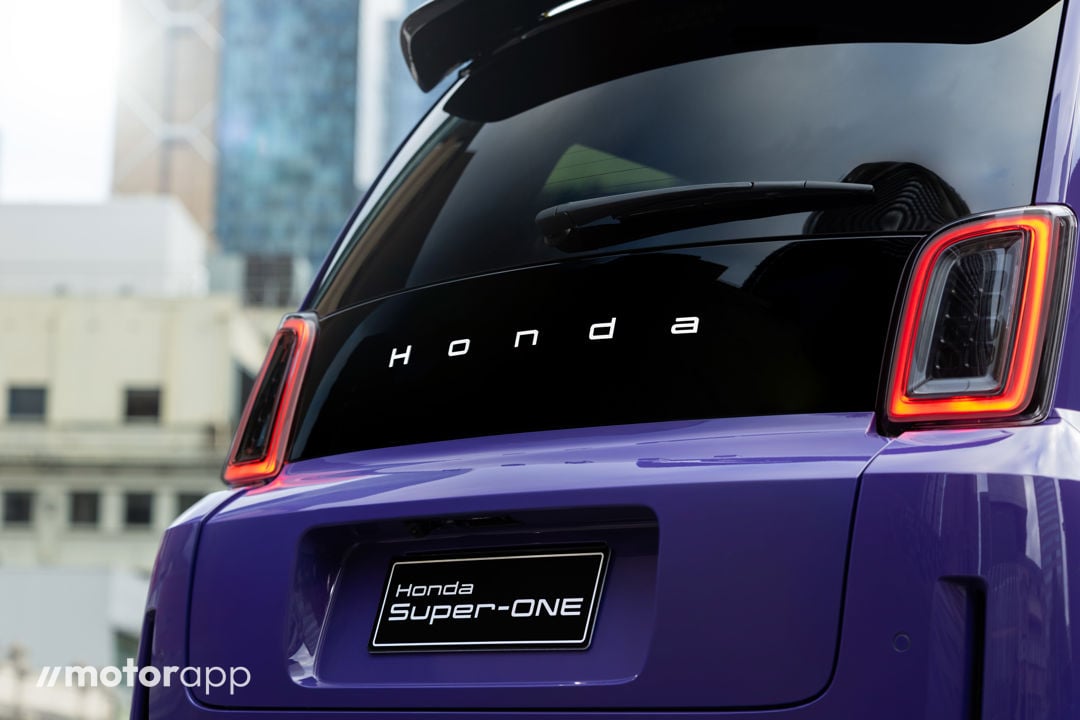
Honda appears comfortable with that comparison. Rather than competing on outright value or specification, the company is positioning the Super-ONE as an emotional purchase - one aimed at buyers wanting something distinctive, fun and unmistakably Honda.
That strategy may prove successful. More than 6,500 Australians have already registered their interest, and with fewer than 130 examples allocated for 2026, early supply will be extremely limited regardless of demand.
If the Super-ONE delivers on its promise of genuine driving enjoyment, it could carve out a niche similar to the original Honda e in Europe - a small EV bought with the heart rather than the spreadsheet. Whether that formula can succeed in Australia's increasingly value-driven EV market remains to be seen, but it's refreshing to see a manufacturer trying something different.