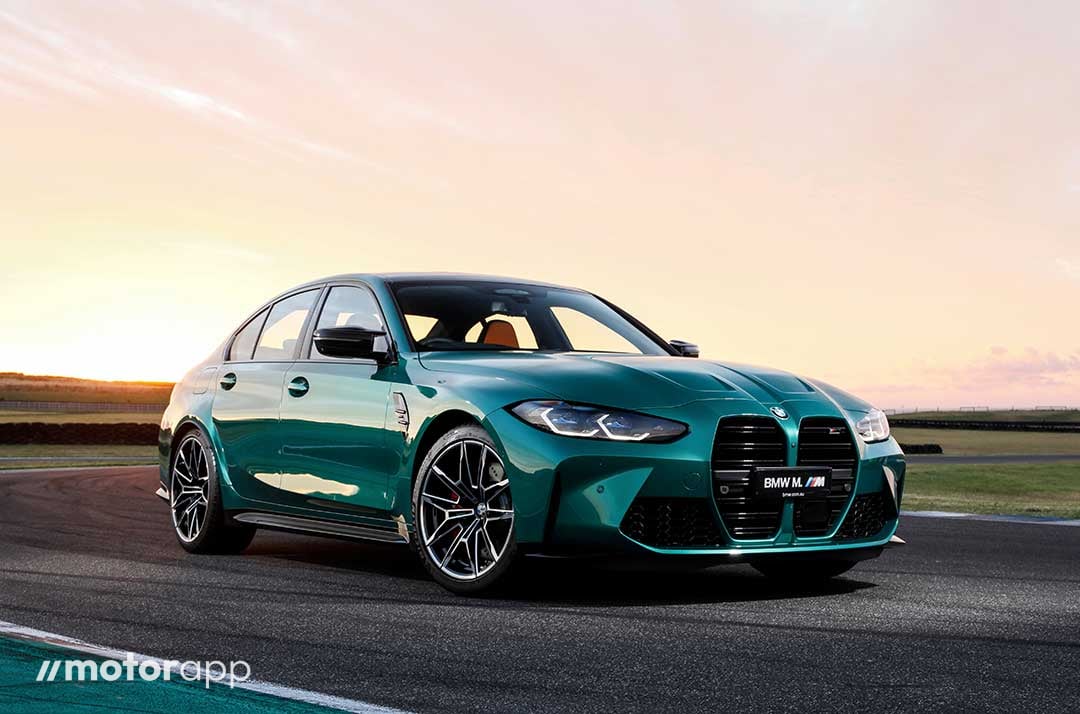
Forty years is a long time in the performance car world. Entire segments rise and fall in that span, technologies come and go, and icons fade into nostalgia. Yet the BMW M3 has managed something rarer: it has evolved relentlessly without losing sight of what made it special in the first place.
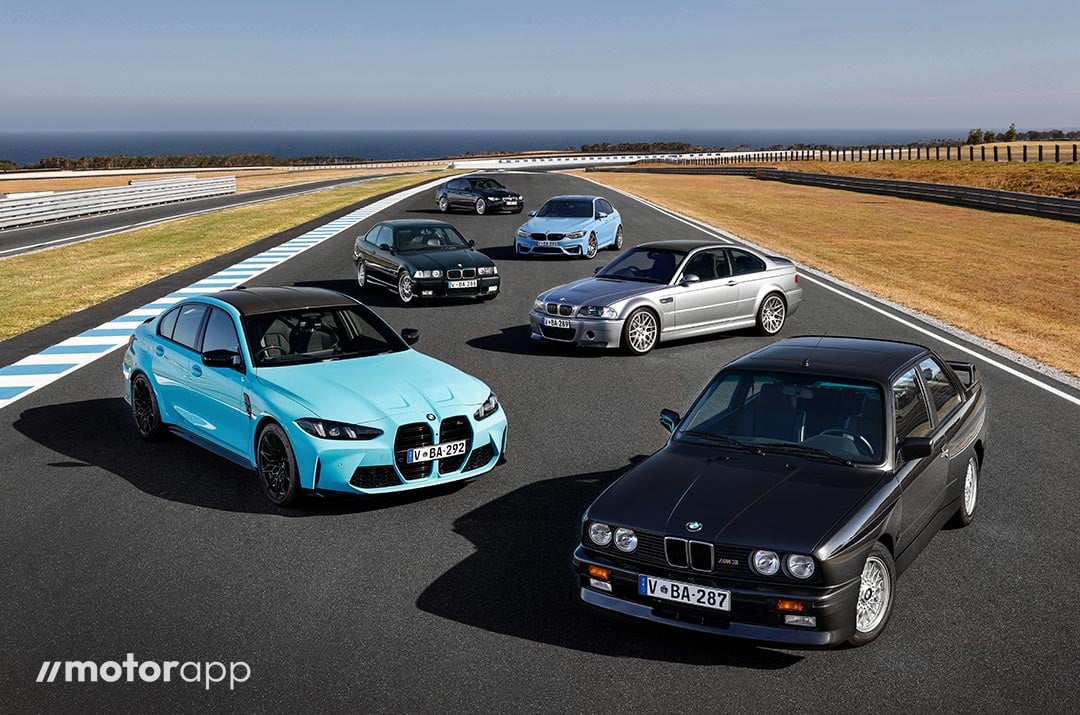
Since its arrival in 1986, the M3 has been less a single model and more a philosophy—one rooted in precision engineering, balance, and the idea that a car can be both deeply thrilling and genuinely usable. That formula has endured across six generations, even as the mechanical ingredients have shifted dramatically.
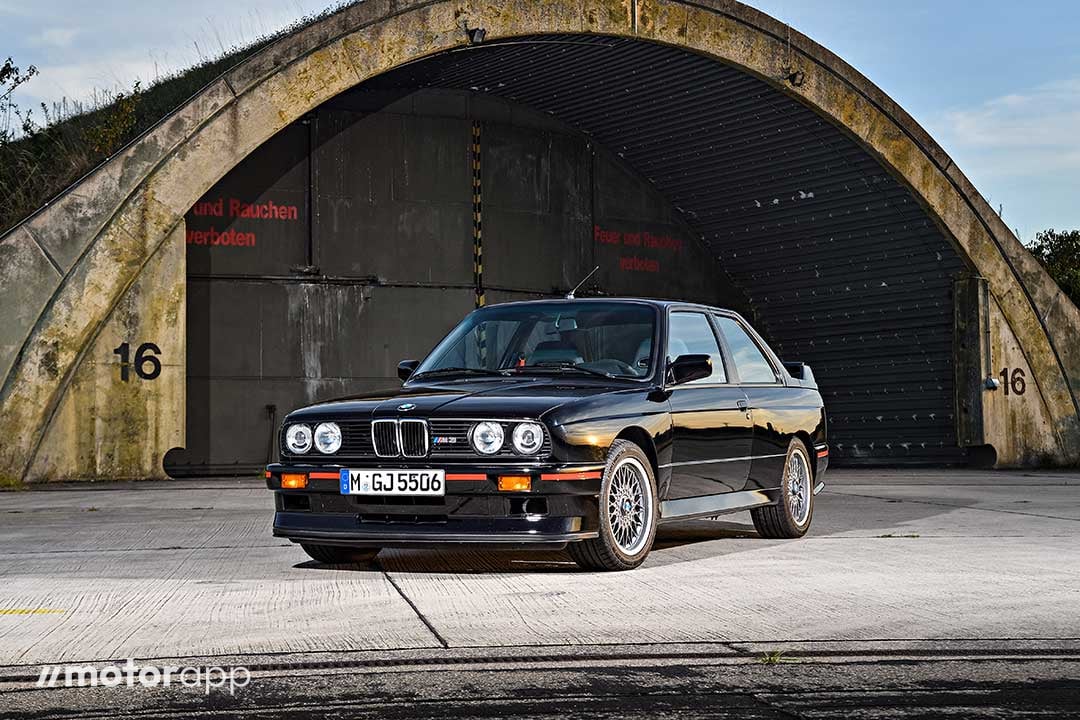
The M3’s origin story is inseparable from motorsport. Conceived to satisfy Group A homologation rules, the original E30 wasn’t just inspired by racing, it was built for it. The requirement to produce thousands of road cars meant BMW had to create something that could excel on track while remaining civilised enough for everyday use.
That duality became the M3’s defining trait. It wasn’t the most powerful car of its era, but it didn’t need to be. Its lightweight construction, razor-sharp chassis, and high-revving four-cylinder engine made it a giant killer, something proven emphatically when Jim Richards drove it to victory in the 1987 Australian Touring Car Championship. Even in markets like Australia, where the original E30 was never officially sold, its impact was immediate and lasting. Few markets have embraced the M3 as enthusiastically as Australia. Since its local debut in the 1990s, nearly 10,000 examples have been registered, accounting for a significant share of all BMW M sales nationwide.
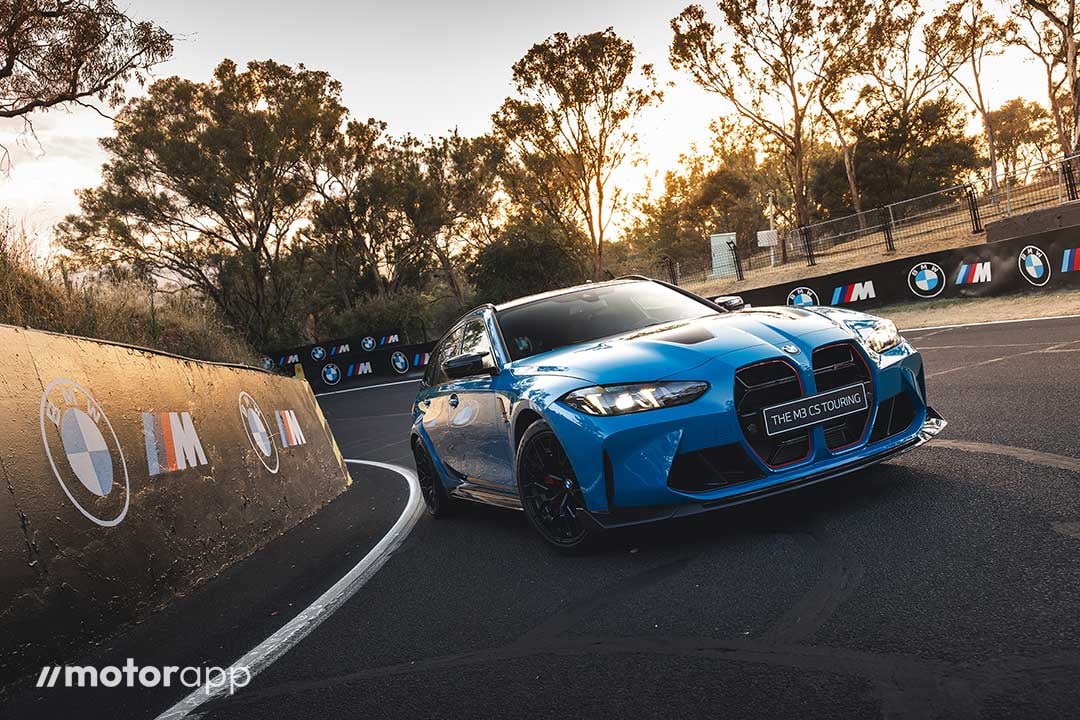
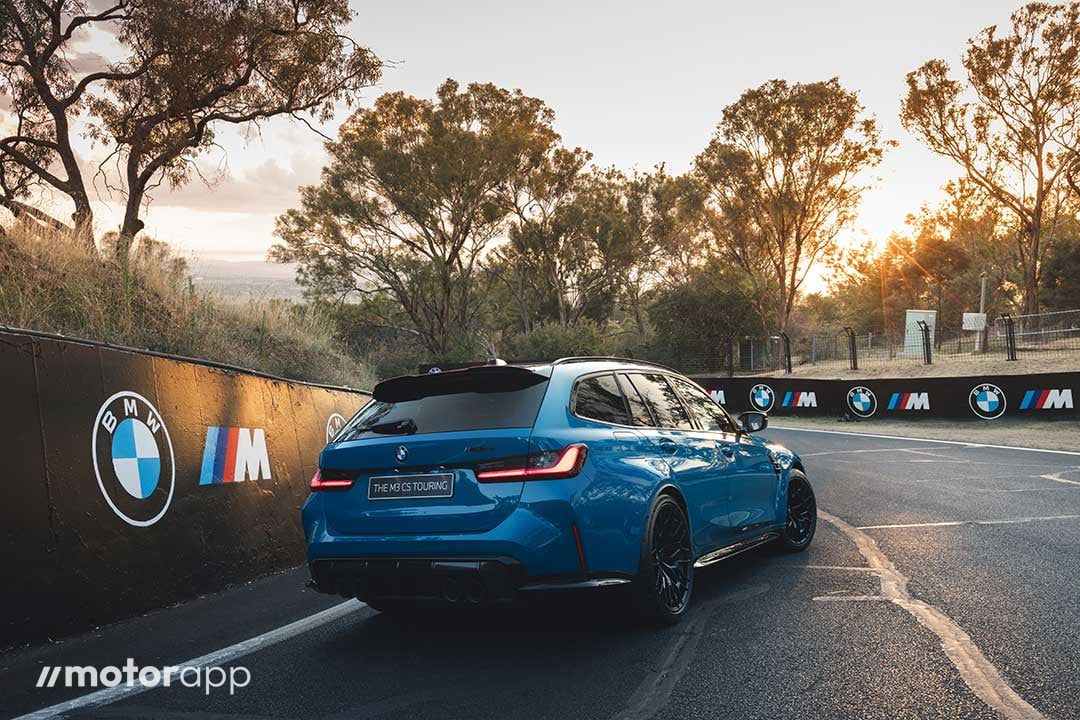
That relationship goes beyond sales figures. Australia has played host to pivotal moments in the M3 story - from the ultra-rare, locally developed M3-R of 1995 to the global debut of the M3 CS Touring at Mount Panorama Circuit in 2025. These milestones underline the model’s cultural weight here, particularly among performance enthusiasts who value both its track pedigree and everyday usability.
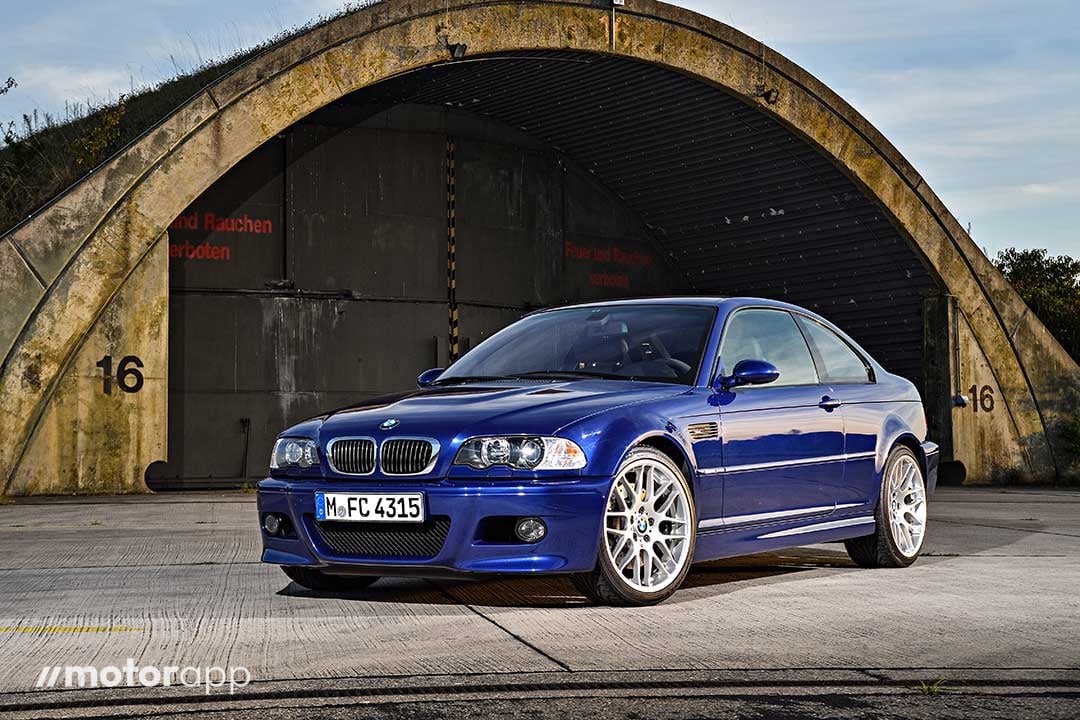
Across the decades, the M3 has served as a rolling showcase of BMW’s engineering priorities. The E36 broadened the car’s appeal, introducing six-cylinder power and multiple body styles, making it as comfortable on a daily commute as it was on a back road. The E46 refined that formula further, pairing elegant design with one of the most celebrated straight-six engines ever built—culminating in the now-legendary CSL.
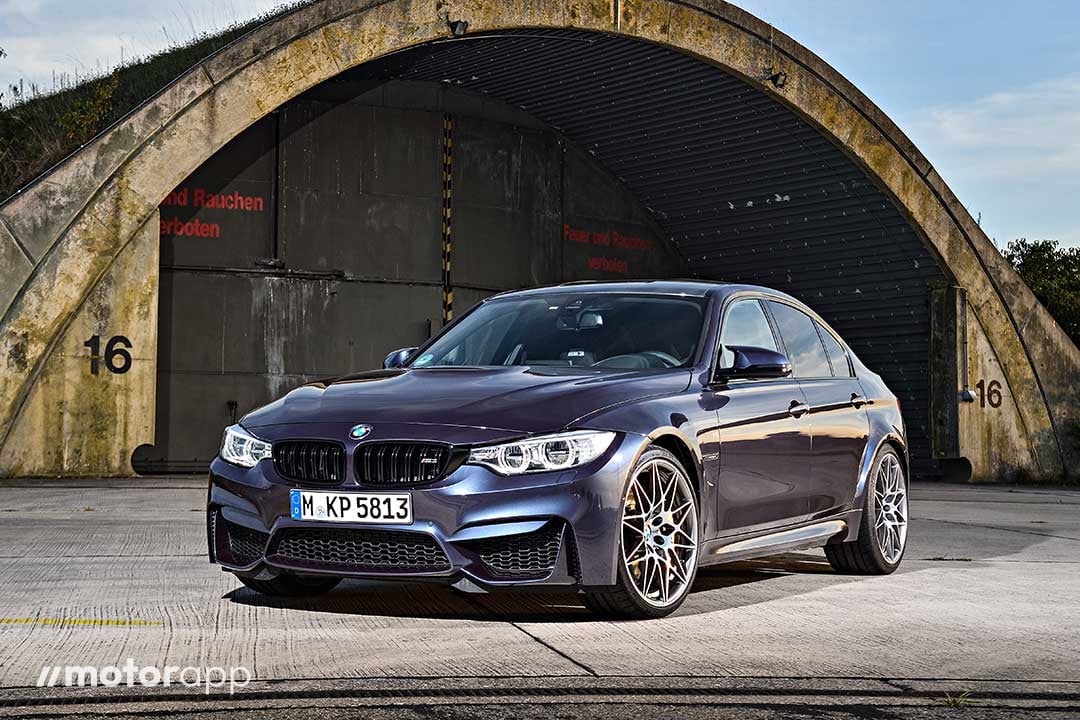
Then came a dramatic shift. The E9x generation introduced a high-revving V8, a bold departure that delivered a soundtrack and character unlike anything before or since. It was followed by another pivot: turbocharging in the F80, ushering in a new era of efficiency and accessible performance without dulling the edge.
Today’s G80-generation cars represent the most complete expression yet. With outputs exceeding 400kW, available all-wheel drive, and cutting-edge chassis electronics, the modern M3 is devastatingly capable. And yet, it still offers a manual gearbox in certain variants - a nod to purists that speaks volumes about BMW M’s intent.
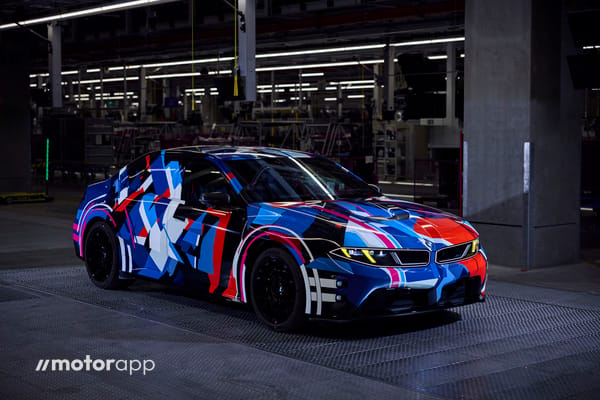
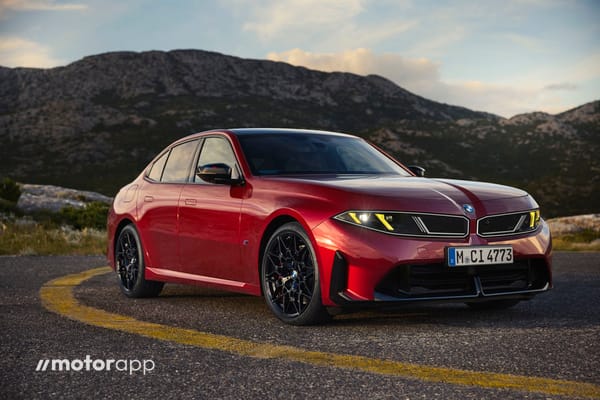
If the past 40 years have been defined by evolution, the next chapter may be the most significant yet. BMW has confirmed that the next-generation M3 will introduce fully electric power for the first time, alongside a continued petrol offering. It’s a move that could redefine what an M3 is. Electric performance promises staggering outputs—potentially delivered through advanced multi-motor setups—while raising new questions about weight, feel, and driver engagement.
What makes the M3 endure isn’t any single engine, drivetrain, or body style. It’s the consistency of its intent. From a homologation special in the 1980s to a high-tech performance machine in the 2020s, it has remained focused on delivering a uniquely balanced driving experience.