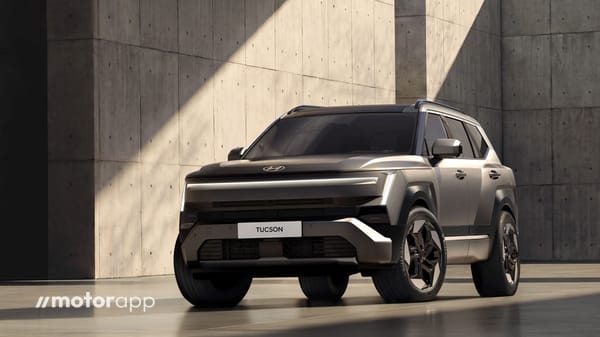
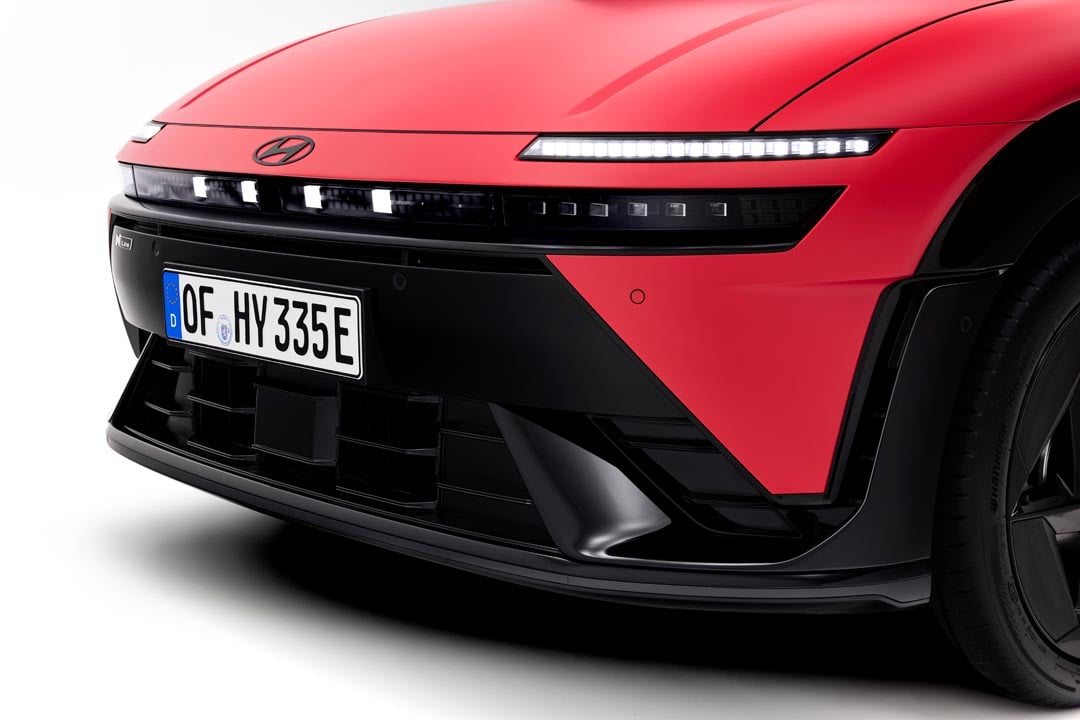
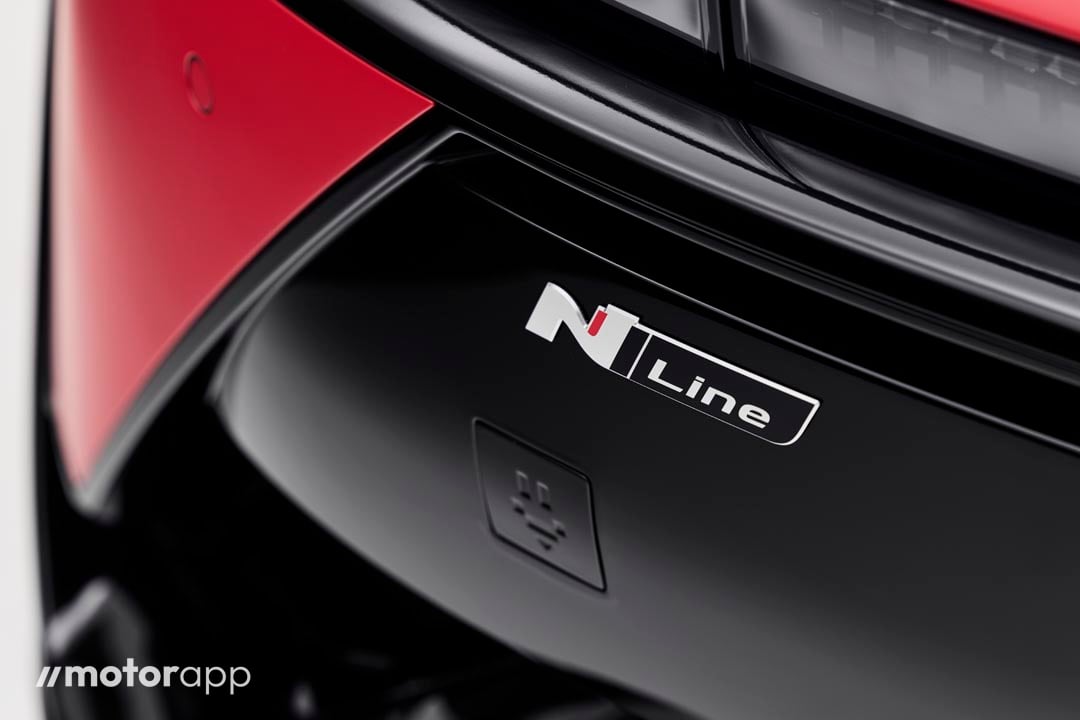
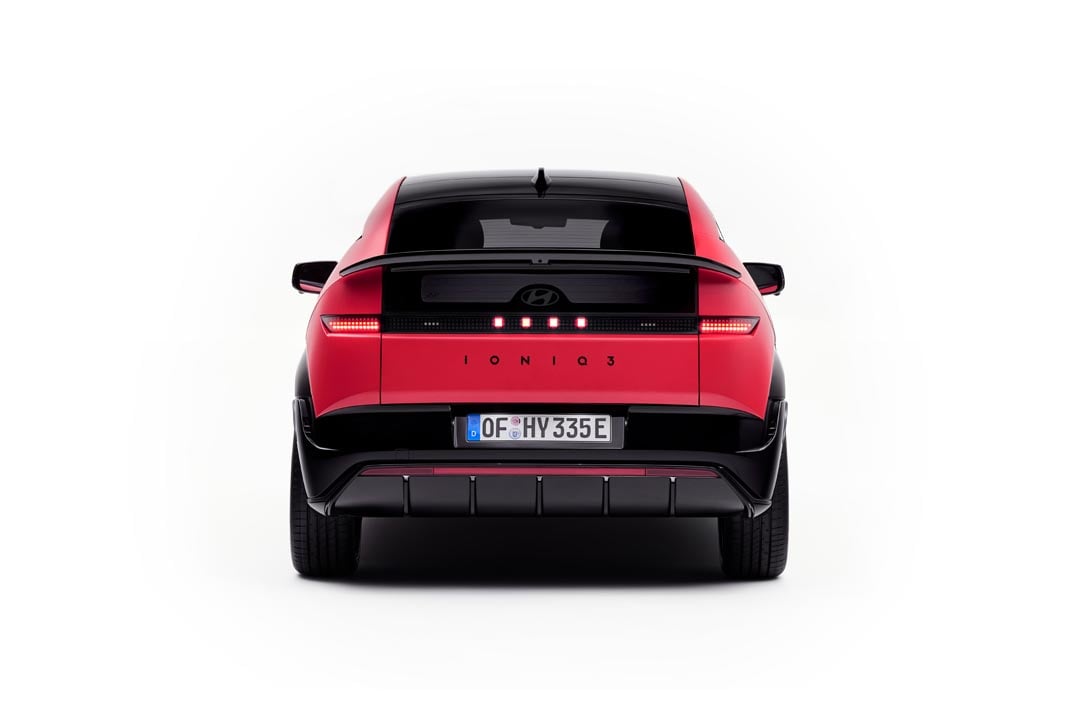
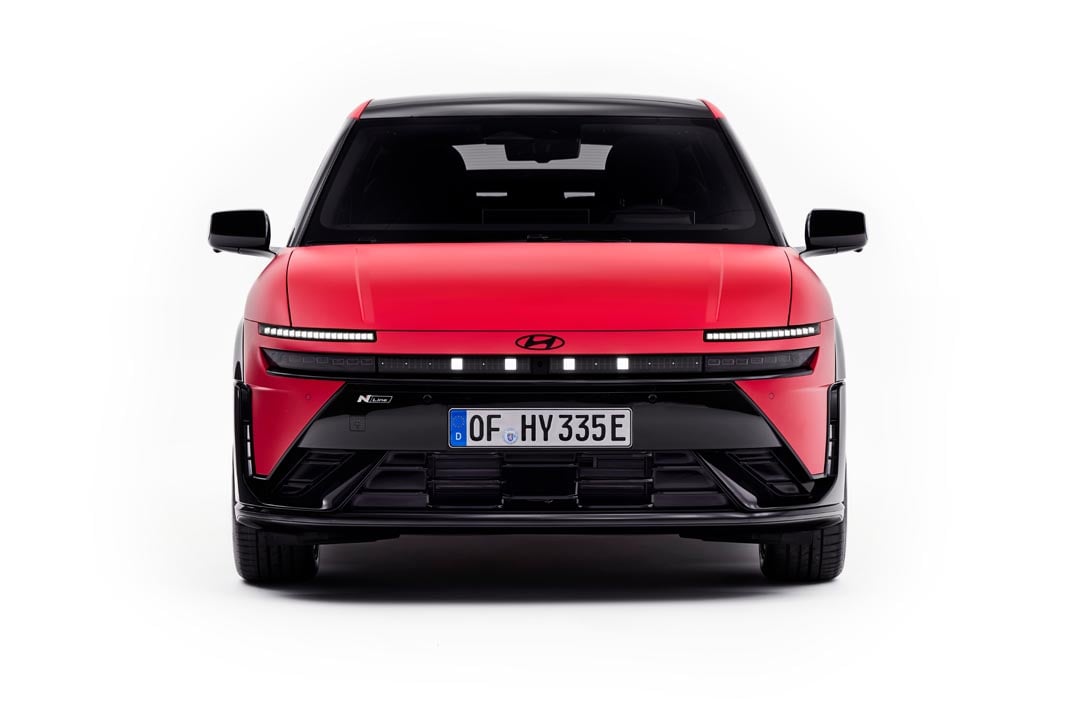
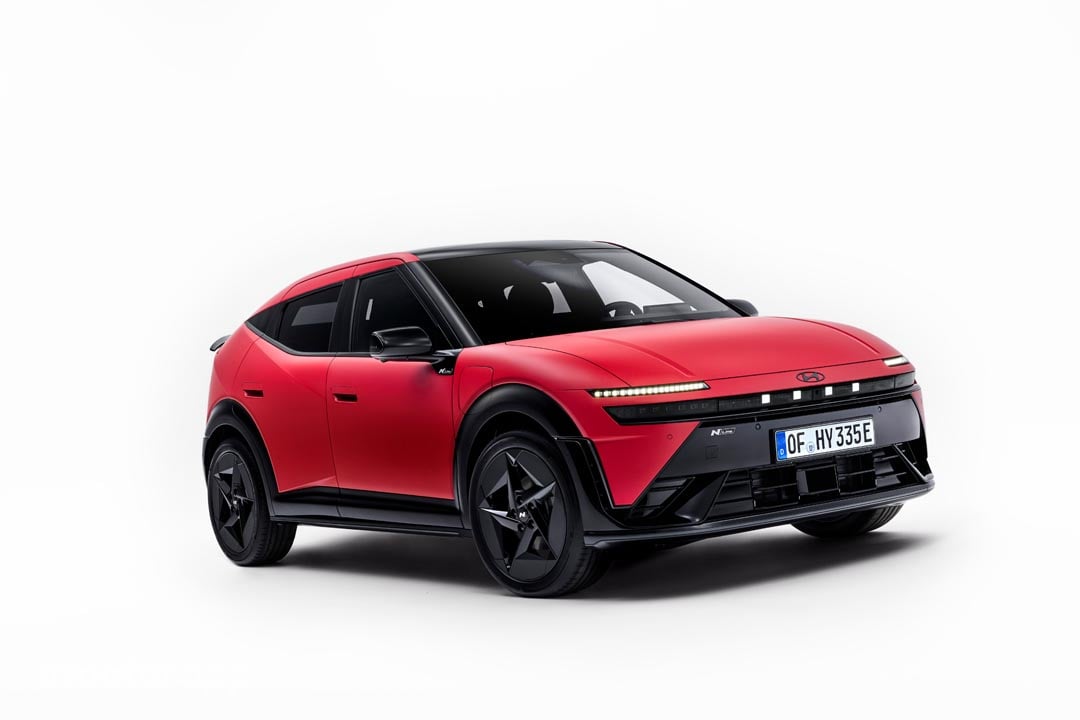
The Hyundai IONIQ 3 is a more restrained addition to the brand's electric lineup, aimed squarely at the volume end of the market. Rather than chasing standout performance or radical design, it focuses on efficiency, interior space and ease of use.
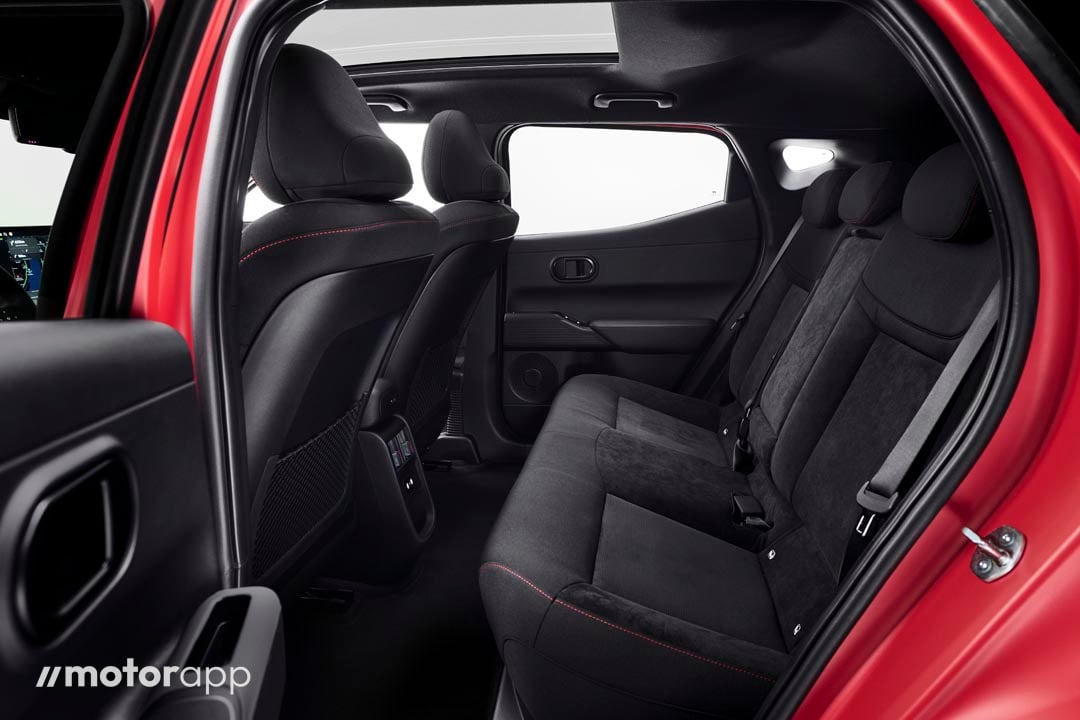
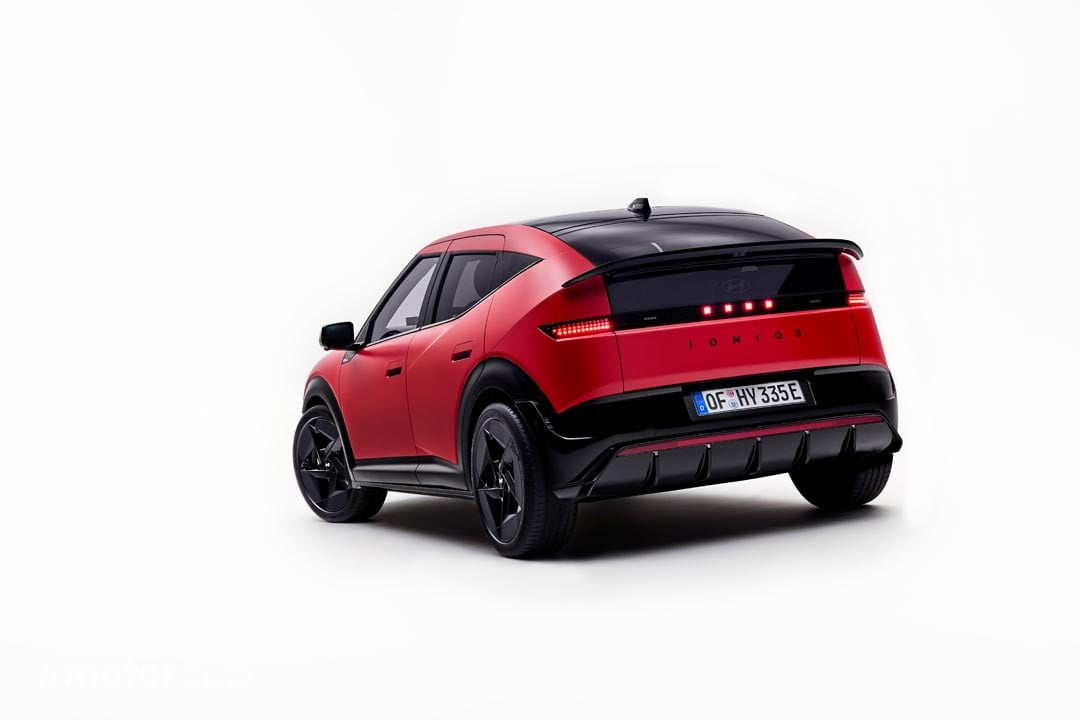
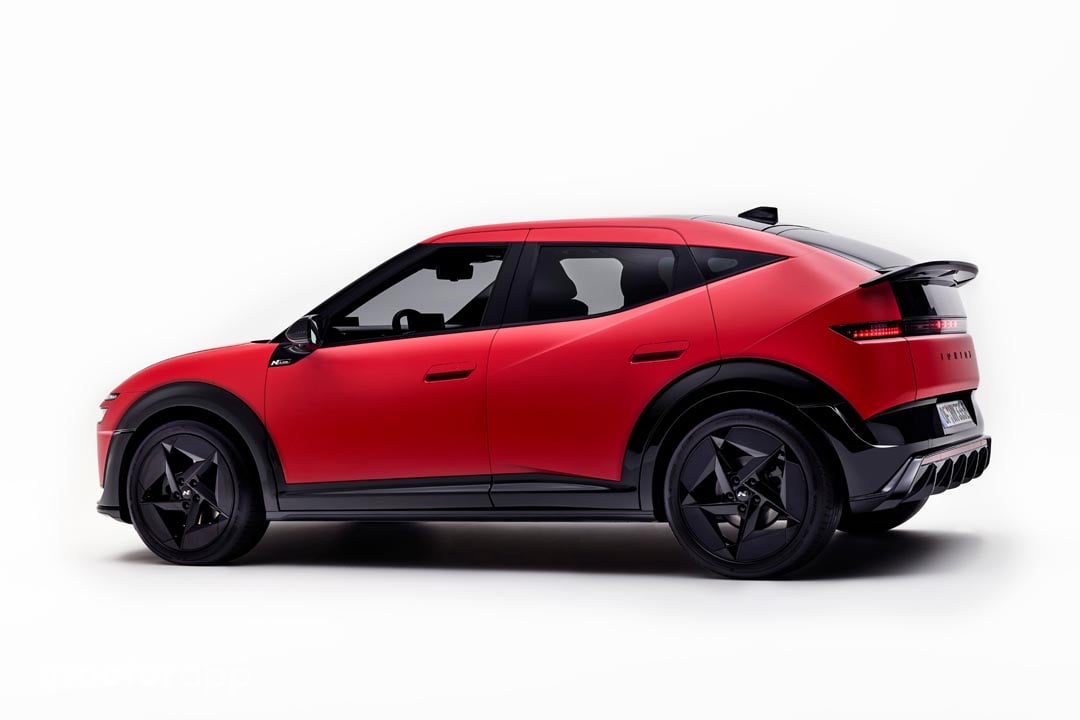
The 'Aero Hatch' shape is designed to balance aerodynamics with cabin room, delivering a claimed drag coefficient of 0.263. That is competitive for a hatchback, though not class leading. More relevant is the packaging. A long wheelbase and flat floor help free up interior space, with Hyundai targeting genuine five-seat usability and above average rear accommodation.
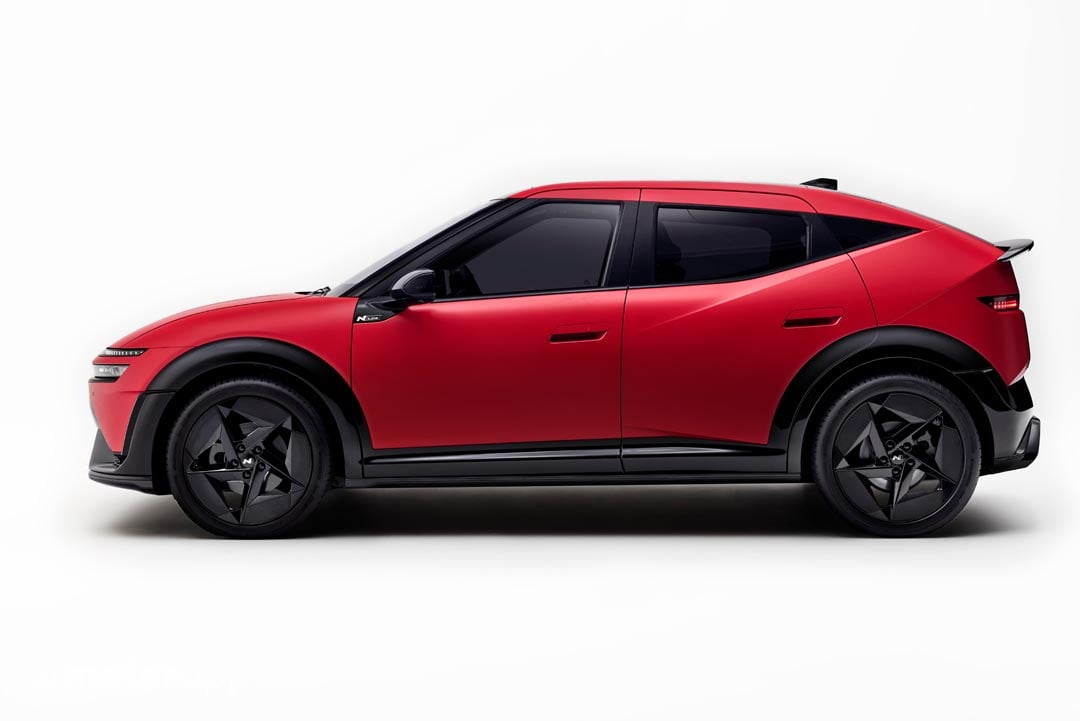
The powertrain and charging setup reflect cost and practicality priorities. A 400-volt architecture replaces the 800-volt systems used in larger IONIQ models, with DC fast charging from 10 to 80 per cent in around 29 minutes. That is adequate rather than leading edge, but consistent with the car’s positioning.
Two battery options are offered, with up to 496 km WLTP range in Long Range form. Performance is modest, with front wheel drive and outputs focused on efficiency rather than engagement. This aligns with buyer expectations in the segment, where range and running costs typically outweigh acceleration.
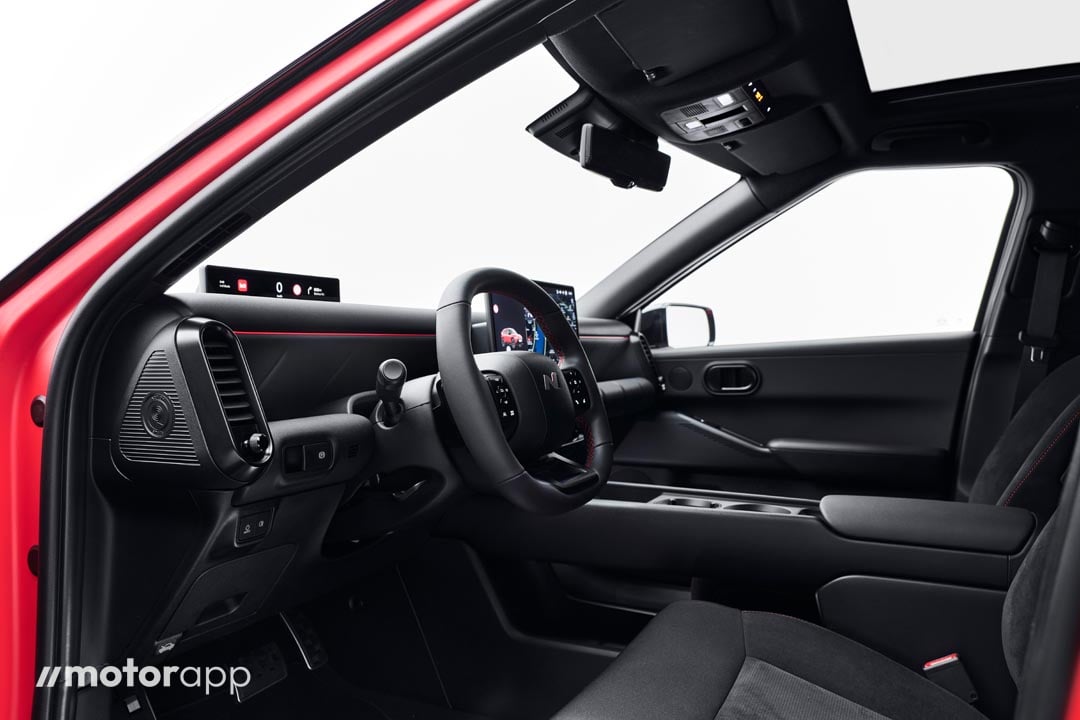
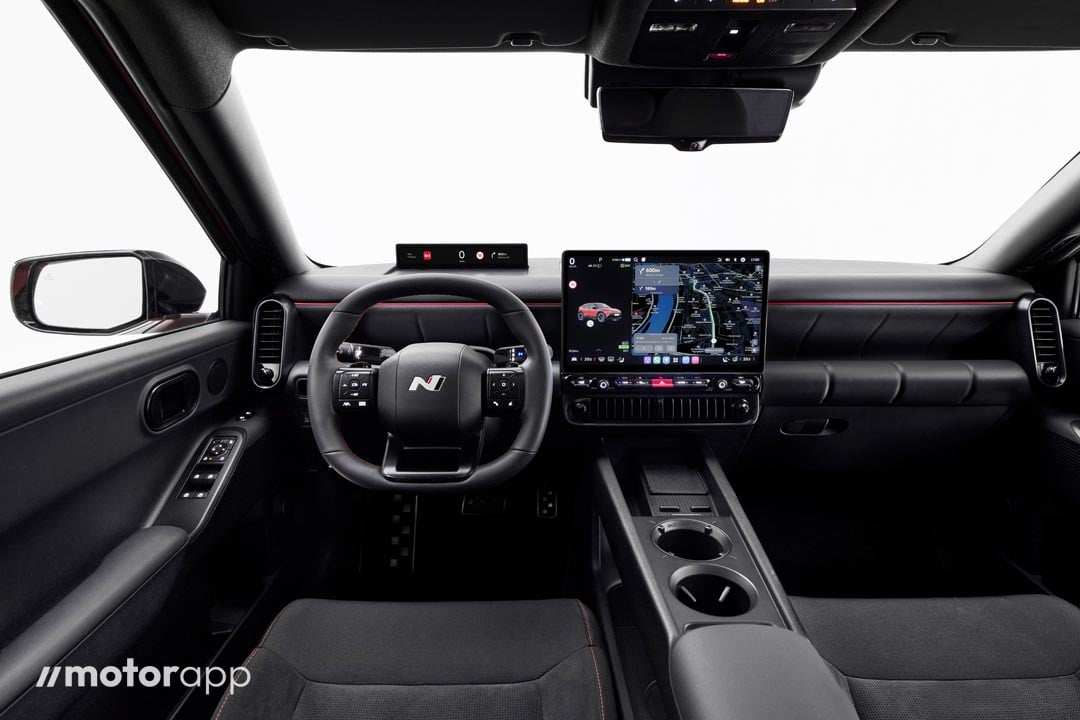
Inside, Hyundai shifts towards simplification. The new Pleos Connect infotainment system, based on Android Automotive OS, aims to reduce complexity with a more familiar interface and integrated features such as route planning and Plug and Charge. As with most modern EVs, execution will matter more than specification.
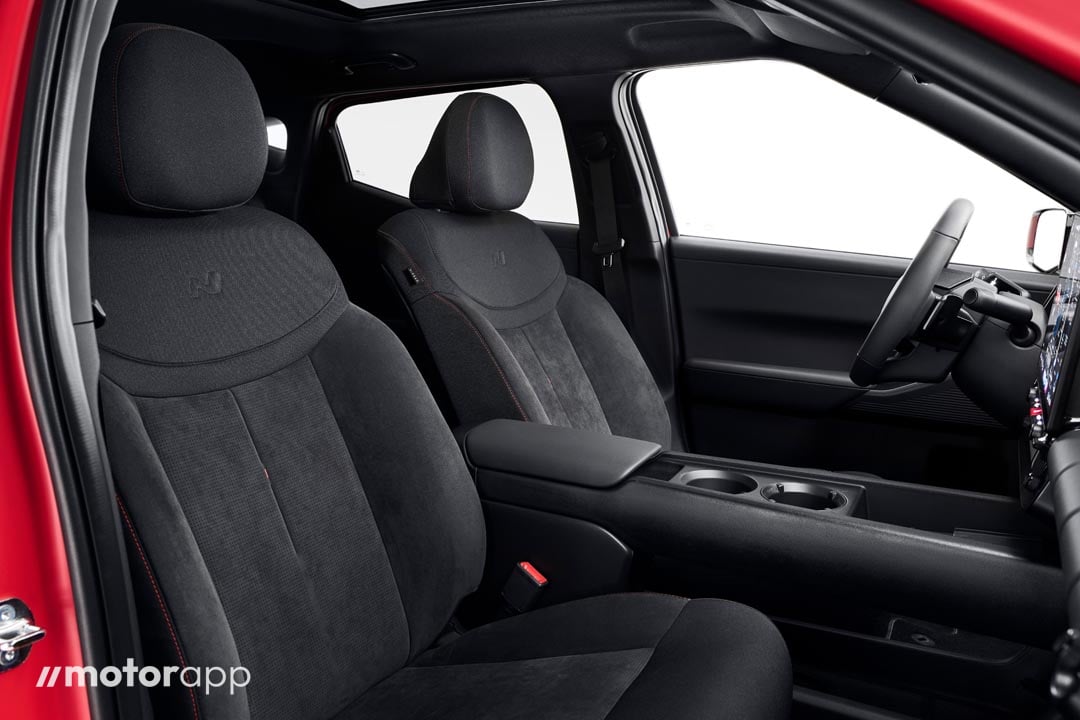
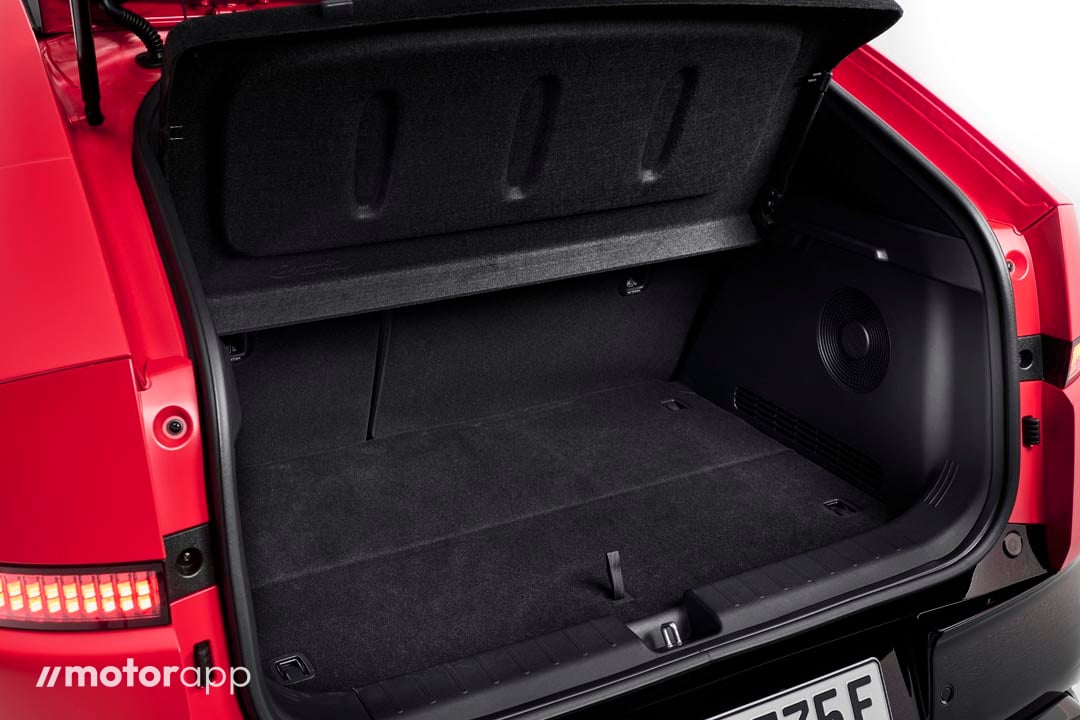
Practicality is a stronger point. A 441 litre luggage capacity (including underfloor storage) compare well against many compact EV rivals. Combined with flexible seating and a flat floor, the IONIQ 3 leans heavily into everyday usability.
Driver assistance and safety features are comprehensive but expected, with systems such as Highway Driving Assist 2 and remote parking included. These features are increasingly standard across the segment and are unlikely to be a key differentiator.
Overall, the IONIQ 3 appears to be a measured, deliberately conventional EV. It does not push boundaries in any one area, but instead aims to deliver a balanced package that meets mainstream expectations. Pricing and real world efficiency will ultimately determine how competitive it is, particularly by the time it reaches Australia in 2027.
Technical specifications
AC: up to 11kW (standard), 22kW (optional)
Width: 1,800mm
Height: 1,505mm
Wheelbase: 2,680mm
Boot capacity: 441 L (including underfloor 'Megabox' storage)
Weight: 1,550 - 1,580kg